The India UK Comprehensive Economic and Trade Agreement entered into force on 15 July 2026, according to the current GOV.UK collection. For logistics teams, that confirmed milestone changes the starting point of the discussion. The task is now to translate the agreement into a workable operating model for particular goods and customers.
A bilateral agreement does not make every consignment duty free or remove every border requirement. Commercial planning still needs the relevant tariff line, the applicable schedule, qualifying origin and the importing market's product requirements. A promotional headline cannot answer those shipment-level questions.
Start with the product and the evidence
Build the lane around a defined product family rather than a broad sector label. Agree exactly which specification, materials and manufacturing process are being assessed. Ask the production team whether that specification will remain stable between the quotation and dispatch. A sourcing change can make the original commercial assumption unreliable.
Give each potential preference claim an evidence owner. That person should know where the supplier records, manufacturing explanation and shipment references are held. The exporter's confidence and the importer's ability to substantiate a claim need to meet in the same file. An attractive landed price is fragile if the supporting information exists only in separate inboxes.
Join border readiness to delivery promises
Work backwards from the customer's receiving window. Identify when documents must reach the broker, when unresolved questions must be escalated and which delivery commitments depend on clearance. Ask the service provider to distinguish a vessel or flight arrival estimate from goods being available for onward delivery.
Prepare a standard handover pack and rehearse it before the first commercial shipment. Compare the invoice, packing information, product description and party details. Where an item needs further regulatory checking, give that work a separate deadline. A tariff preference should not distract attention from market-entry requirements.
Price the lane as an operating system
Compare the planned preference route with a properly costed alternative. Include freight, handling, brokerage, document preparation and the cash implications of the importing arrangement. Identify who benefits from a lower duty charge and how that benefit appears in the agreed selling price.
The useful question is whether the business can repeatedly deliver the promised landed proposition. Treat the opening shipment as a controlled introduction, retain the evidence and review the exceptions. The agreement creates commercial room; disciplined execution determines whether that room becomes a durable customer relationship.
Sources
- UK-India Trade Deal, official collection Source published 2025-07-25. Source accessed 2026-10-13.
- Tariffs and customs for imports from and exports to India Source accessed 2026-10-13.
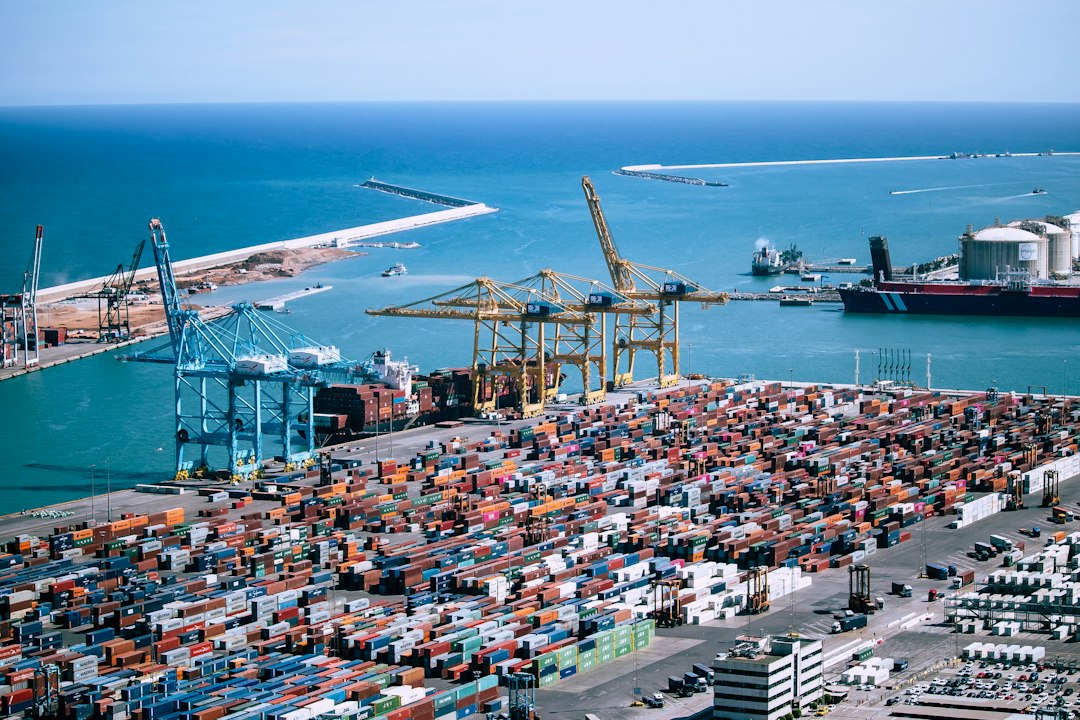
Illustrative photograph: CHUTTERSNAP / Unsplash.