A purchase order identifies the business being paid. It rarely explains every dependency behind the delivered component. For an Indian manufacturer, different direct suppliers might still depend on the same casting facility, specialist coating process or imported input. A supplier map should expose those connections before they become production constraints.
OECD research identifies concentration among supplying countries and firms as a source of vulnerability. The operational implication is to examine dependencies below the invoice relationship. Mapping every input equally, however, can consume effort without clarifying the decisions that matter.
Start with the production consequence
Select components according to the consequences of interruption. Ask whether their absence stops an assembly line, prevents customer acceptance or requires lengthy qualification of a replacement. A low purchase value does not make an item operationally unimportant. Procurement and engineering should agree the priority list together.
For each selected component, record the direct supplier, actual production location, critical upstream material, unique process and known logistics route. Distinguish information confirmed by the supplier from assumptions and unanswered questions. A map with visible gaps is more useful than an apparently complete map containing guesses.
Explain why the information is needed. Suppliers may reasonably resist disclosing commercially sensitive relationships. Agree confidentiality arrangements, limit access and ask first for dependency characteristics where naming an upstream business is unnecessary. A statement that all production uses one furnace can be actionable even before its operator is identified.
Convert the map into an action
Look for shared sites, utilities, tools and transport gateways across the priority items. Different company names are not evidence of independent supply. Check whether a proposed alternative needs the same constrained material or subcontractor as the incumbent.
Assign each important dependency an owner and a response. Possible responses include qualifying another process, reserving a tool, changing a specification or maintaining a carefully sized buffer. Each choice should address the dependency identified, rather than becoming a general instruction to buy more stock.
Build updates into supplier reviews and engineering change control. A new production location, ownership change or outsourced process can invalidate the map. Ask suppliers to confirm changes, and revisit high consequence gaps when orders, specifications or customer commitments change.
The useful output is a set of decisions with evidence behind them. It should help the manufacturer explain which interruption can be absorbed, which requires intervention and which remains unresolved. That is a stronger basis for resilience than a large supplier directory alone.
Sources
- OECD: Policies to strengthen the resilience of global value chains Source published 2023-02-21. Source accessed 2026-10-13.
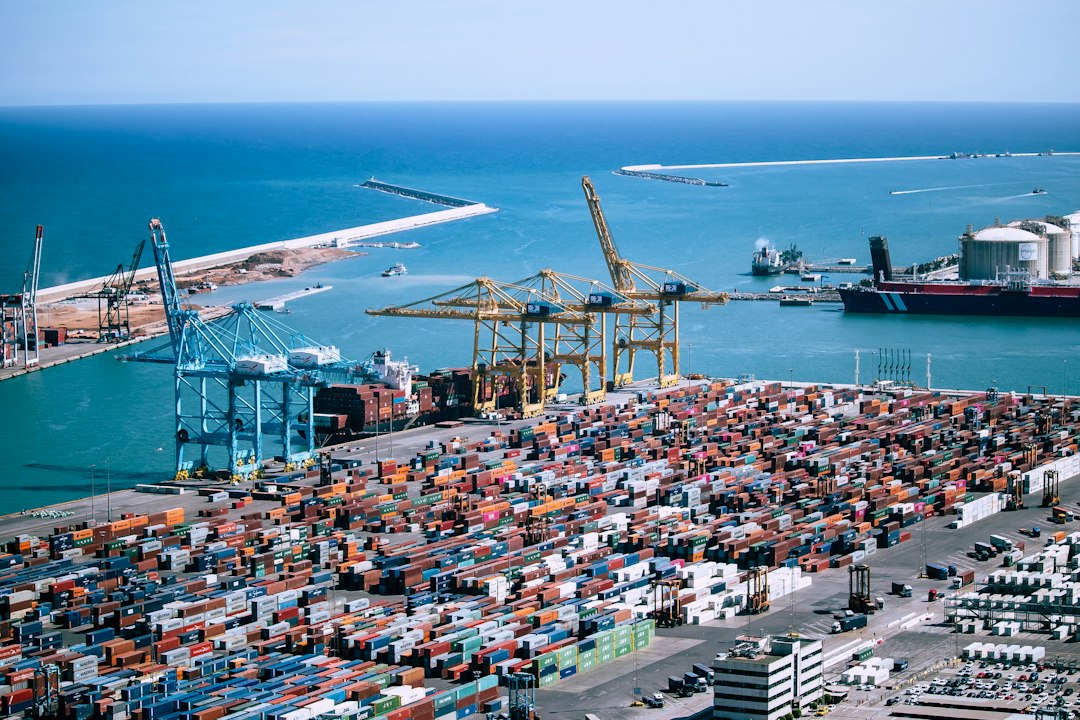
Illustrative photograph: CHUTTERSNAP / Unsplash.