An electric truck is bought to perform a job, not to achieve a range figure in isolation. An Indian fleet considering a first vehicle should therefore begin with the duty cycle: the sequence of driving, loading, waiting and returning that defines the working day. A route name or average daily distance is too blunt a description.
The IEA’s heavy vehicle analysis discusses how deployment differs between applications. The operational implication is that a fleet needs to test its own work pattern. A favourable result from another market or another vehicle class cannot establish suitability for a specific Indian contract.
Reconstruct the working day
Collect departure and return times, loaded and unloaded travel, gradients, congestion and delivery stops. Identify the days that stretch the route beyond its normal pattern. Averages conceal late collections, diverted roads and unusually heavy loads, precisely the conditions a dispatcher needs the vehicle to handle without improvisation.
Include equipment beyond propulsion. Refrigeration, lift equipment and cab comfort may draw energy during stationary periods as well as travel. Ask the vehicle supplier how those demands were represented in the proposed specification. Check whether the quoted payload reflects the complete body, battery configuration and equipment required for the actual task.
Charging access belongs in the same assessment. A long stop does not automatically provide a charging opportunity. The vehicle may be away from a compatible charger, blocked by another unit or required to move repeatedly during unloading. Describe which periods are genuinely available and who controls the parking space.
Design a pilot that can teach
Choose a route with useful visibility and an agreed contingency. Record energy consumed, charging events, completed jobs, maintenance interruptions and dispatcher interventions. Compare results with the same service requirement, including any work transferred to other vehicles. Removing difficult jobs from the pilot would create an attractive but misleading result.
Give drivers and planners a way to report practical obstacles. Charger location, unfamiliar controls or scheduling rules can be changed more easily than an unsuitable vehicle specification. Treat these comments as operational evidence, not resistance to a sustainability programme.
The investment decision should emerge from a range of observed conditions, with clear limits. A successful depot based application can justify expanding similar work while leaving more uncertain routes for further assessment. That is a stronger basis for fleet transition than assuming every truck should change at once or that one difficult route settles the question for the whole business.
Sources
- Trends in heavy-duty electric vehicles: Global EV Outlook 2025 Source accessed 2026-10-13.
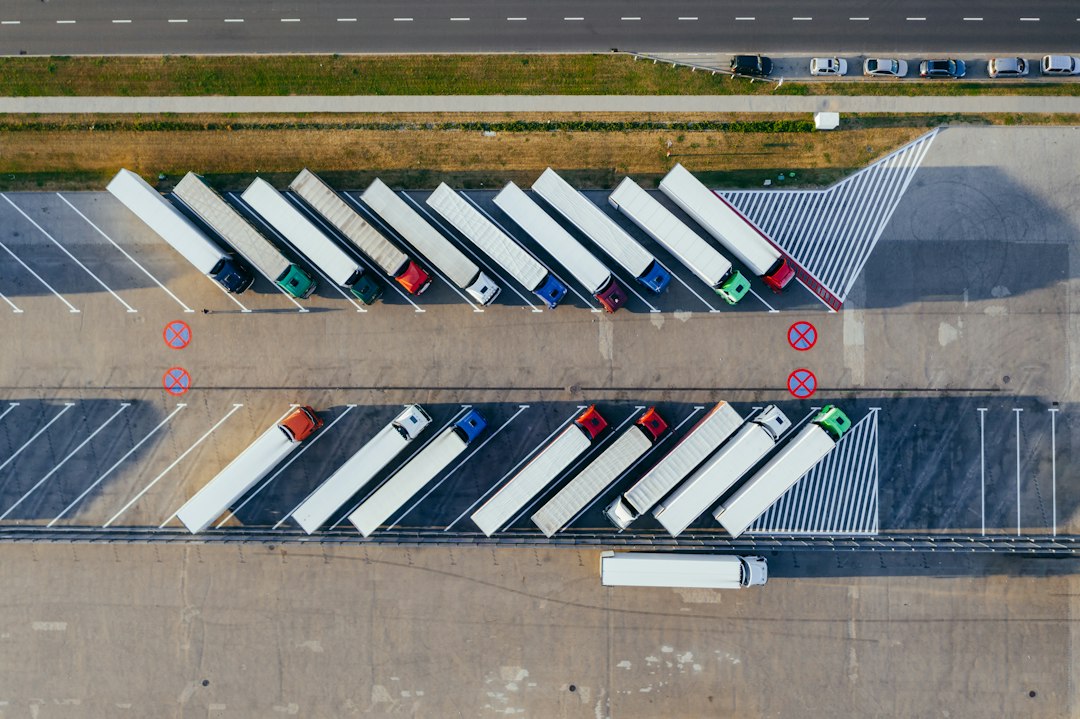
Illustrative photograph: Marcin Jozwiak / Unsplash.