A transport management tender often compares current features and implementation fees. A more durable buying question concerns the changes that follow: a new customer site, a revised carrier tariff, a changed equipment restriction or an additional approval step for expensive movements.
Oracle’s transport planning documentation describes planning logic that determines elements such as equipment, cost and stop sequence. That illustrates why configuration is part of the operating system. Changing a rule can change the plan produced for live work.
Follow an ordinary change through the product
Ask shortlisted suppliers to demonstrate adding a location with a receiving window and access constraint. Then ask them to change the information after orders have already been planned. The exercise should show which plans are affected, who receives a warning and whether existing commitments remain visible.
Test rate maintenance with finance and transport procurement present. Establish how validity dates, approval and superseded versions are handled. A planning result should remain explainable against the rate and configuration used at the time, even if the current tariff has changed.
Find out who can perform routine changes after the implementation team leaves. The answer may include internal administrators, the supplier or an external partner. Each model can work, but its response times, skills and costs need to match the business. A feature that is technically configurable may still be difficult for the operator to maintain.
Control the release of new rules
Require a way to evaluate a proposed rule using representative work before it affects live planning. The test needs awkward movements as well as ordinary ones. A configuration that improves one lane can create an unexpected result elsewhere. Agree the evidence needed for approval and the process for returning to the previous version.
Include documentation and training in acceptance criteria. An internal administrator should understand the reason for a rule, not just the screen used to edit it. Otherwise, a later change may remove a constraint whose significance is known only to a departed implementation consultant.
The editorial recommendation is to assess total operating dependence, not simply the licence. Ask how much expertise the organisation must retain to keep planning accurate as the network changes. A strong tender response will make that responsibility clear and demonstrate a controlled maintenance workflow. The best commercial comparison is between systems the buyer can operate throughout their life, including the ordinary changes that no initial demonstration can exhaust.
Sources
- Oracle transport planning documentation Source accessed 2026-10-13.
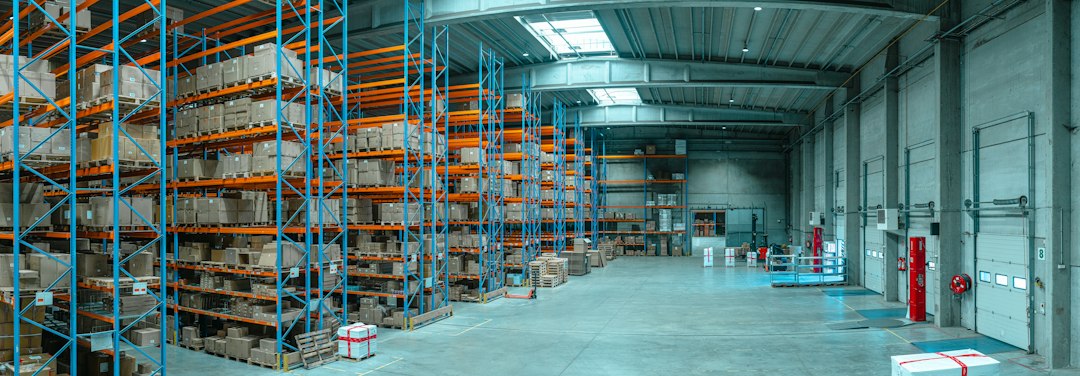
Illustrative photograph: Marcin Jozwiak / Unsplash.