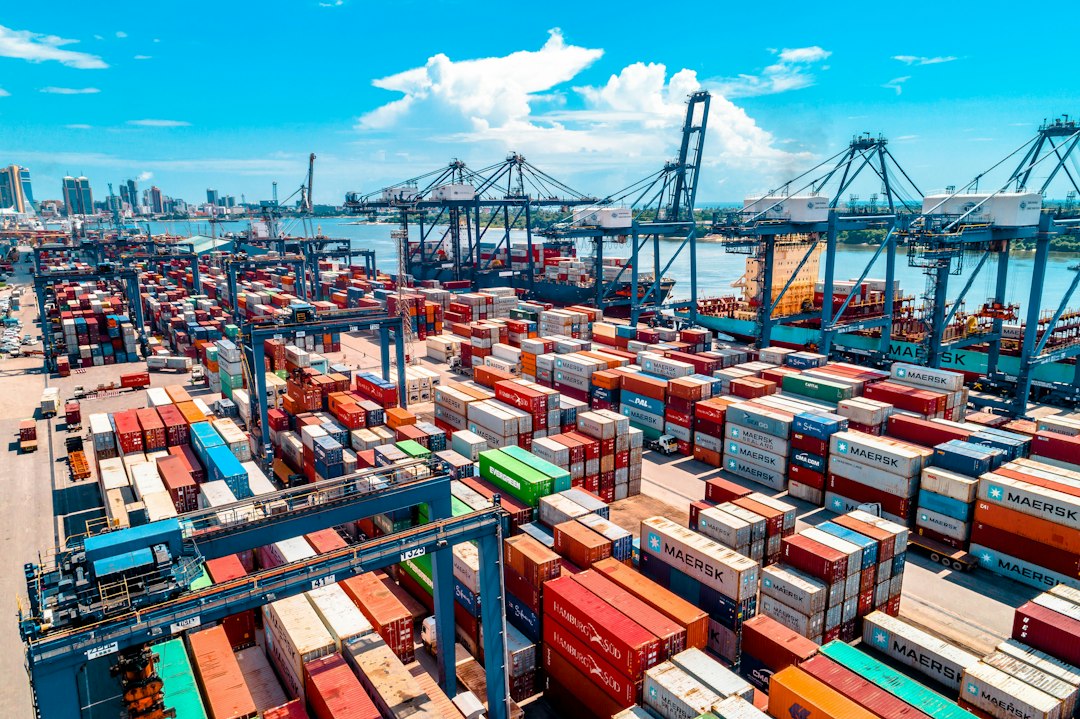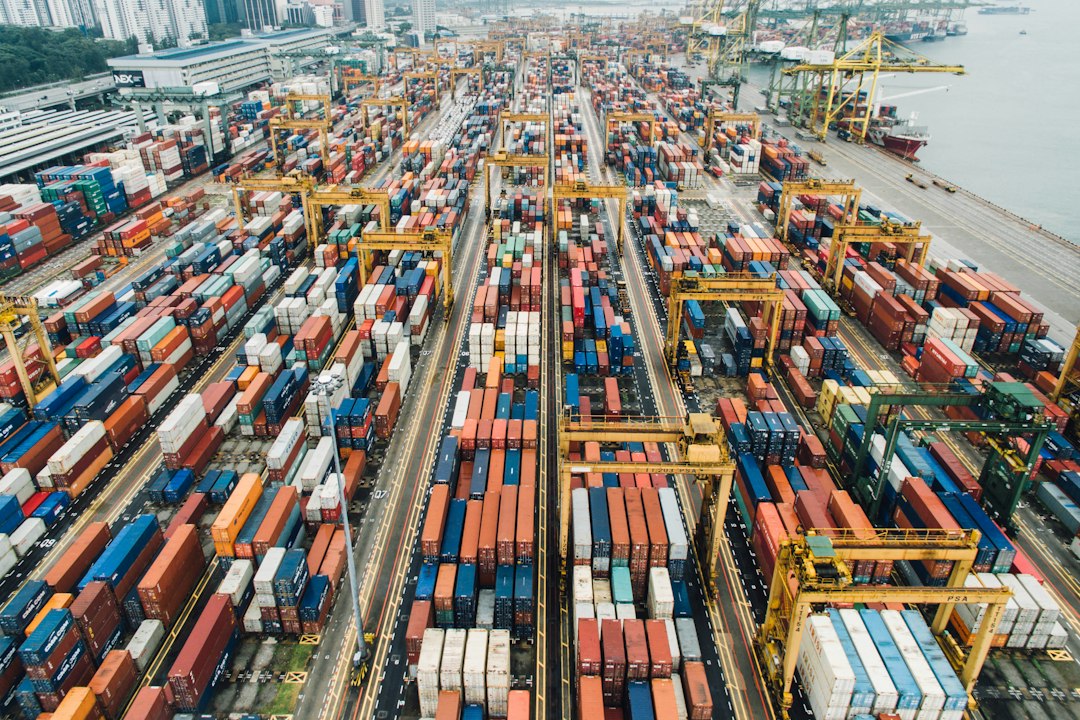
Coastal shipping enters freight discussions as an alternative to a long domestic road journey. The meaningful question is whether it can deliver the product where it is needed, in an acceptable condition and within a workable replenishment cycle. The water leg is only one part of that assessment.
India's government has announced a Coastal Cargo Promotion Scheme aimed at encouraging a shift towards water transport. The announcement provides policy context, rather than a guarantee that a particular lane has the required service, frequency or handling capability. Those details need direct confirmation from providers.
Match the cargo to the service
Begin with shipment consistency and the tolerance for waiting between departures. Cargo with predictable replenishment needs may be easier to schedule than orders released with little notice. Ask how bookings are confirmed, whether departures can change and what happens if the cargo misses acceptance.
Check handling and packaging requirements at both ends. Goods prepared for a short truck journey may need a different protection strategy when the journey includes port storage and multiple transfers. Discuss moisture exposure, stacking and securing with competent packing specialists. Avoid treating a shipping container as a substitute for cargo preparation.
Calculate the entire physical route. Include collection from the factory, movement through the origin port, the sailing, destination release and final delivery. A port that looks attractive geographically may require an awkward inland movement or a receiving schedule that the customer cannot accommodate.
Keep inventory and recovery in the decision
Procurement should compare complete quotations with consistent inclusions. Port handling, storage assumptions, equipment use and delivery charges should be visible. A lower main-leg rate may be offset by costs elsewhere, while a more predictable replenishment pattern may create advantages that a rate table cannot show.
Discuss the inventory consequence with the people managing availability. If coastal movement requires earlier dispatch, establish whether production and warehousing can support that change. Do not assume additional stock is free simply because its cost sits outside the transport budget.
Finally, identify a recovery plan. Decide which shipments would justify road transport if a sailing or connection becomes unsuitable. A controlled trial should test real cargo and actual receiving conditions before the lane becomes routine. Coastal shipping can then be assessed on its operating merits, with evidence about the complete journey rather than enthusiasm for the mode itself.
Sources
- A Ride through the Inland Waterways of India Source published 2026-04-27. Source accessed 2026-10-13.
Illustrative photograph: CHUTTERSNAP / Unsplash.