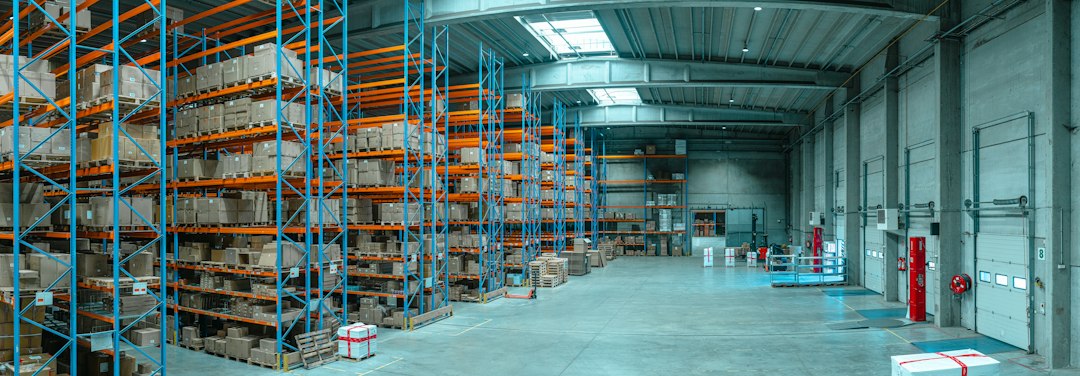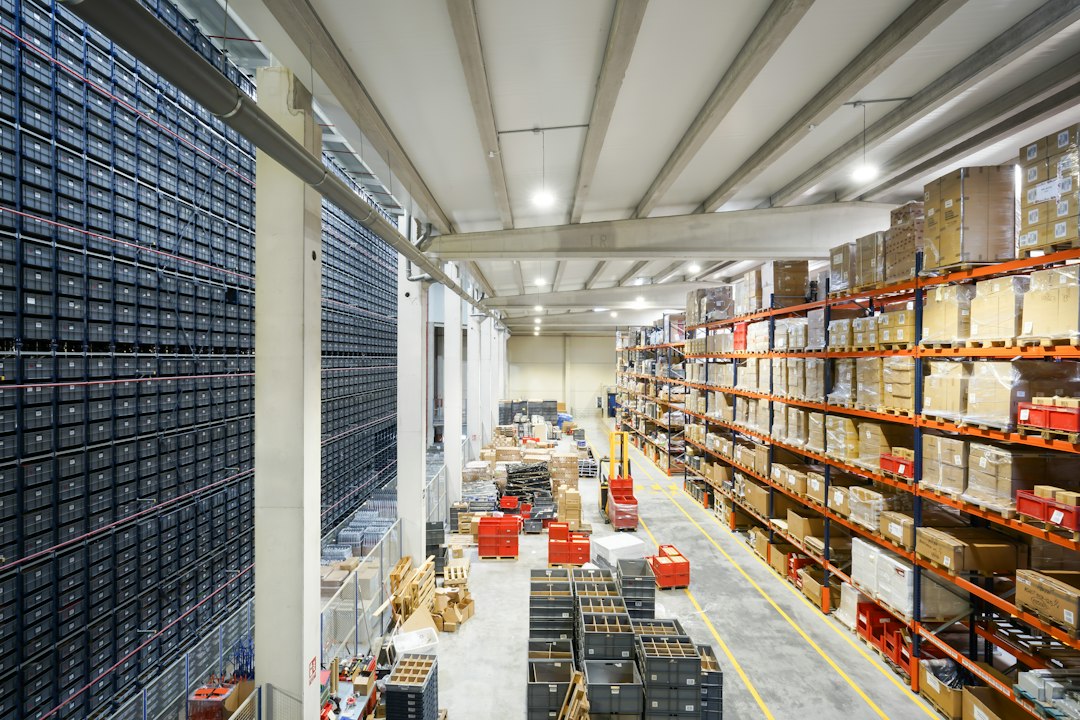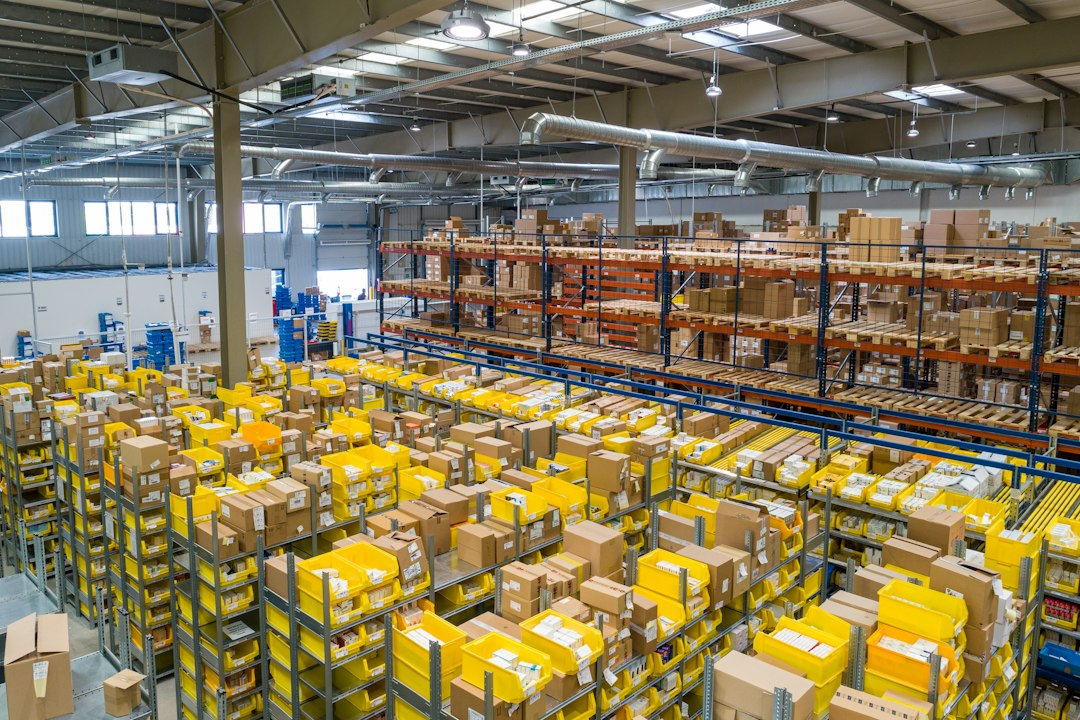
A seasonal promotion changes more than order volume. It may alter product combinations, packaging needs and the frequency with which workers revisit particular locations. A fulfilment warehouse that keeps the same pick face throughout the campaign can end up spending extra effort feeding yesterday’s demand pattern.
SAP’s product slotting material describes determining warehouse product attributes to support placement decisions. The broader operating lesson is to treat location assignment as a decision that should reflect product characteristics and expected work.
Review the campaign as a picking pattern
Ask the commercial team for the proposed products, bundles and campaign dates. Compare the brief with recent order lines rather than total sales value alone. An expensive product may generate little warehouse travel, while a small accessory may appear in many orders.
Examine how products will be handled. Weight, dimensions, fragility and storage restrictions can rule out a position that looks attractive on a travel diagram. A promotional kit may also require component availability and a separate assembly step. Include that work in the plan.
Move selectively. Identify positions where a change is likely to remove repeated travel or ease congestion. Record the old and new locations, update the warehouse system and verify labels before releasing work. An undocumented move risks creating confusion precisely when the operation needs stability.
Match replenishment to the new arrangement
A closer pick location can still fail if it repeatedly runs empty. Define who monitors the promotional stock, how reserve inventory reaches the pick face and when replenishment should occur. Consider whether the chosen locations create conflicts between pickers and replenishment equipment.
Keep a route for late changes. If the promotion underperforms, the site may not need the space allocation initially planned. If demand exceeds the brief, managers need an approved way to add capacity without putting stock in unrecorded locations.
Evaluate the campaign through picking effort, replenishment interruptions and order exceptions. Avoid attributing every change in output to slotting when labour, order mix and carrier availability also changed. Compare similar operating periods and preserve the context around the results.
After the campaign, decide which locations should return to their previous role. Retain the useful observations about product combinations and handling constraints. The purpose of the exercise is a warehouse that can adapt deliberately to demand, with a reliable record of where stock belongs.
Sources
- SAP India: Extended Warehouse Management product slotting Source accessed 2026-10-13.
Illustrative photograph: Adrian Sulyok / Unsplash.